
in Latin America
and caregivers navigate the psychosocial challenges of CF.
in Latin America
and caregivers navigate the psychosocial challenges of CF.
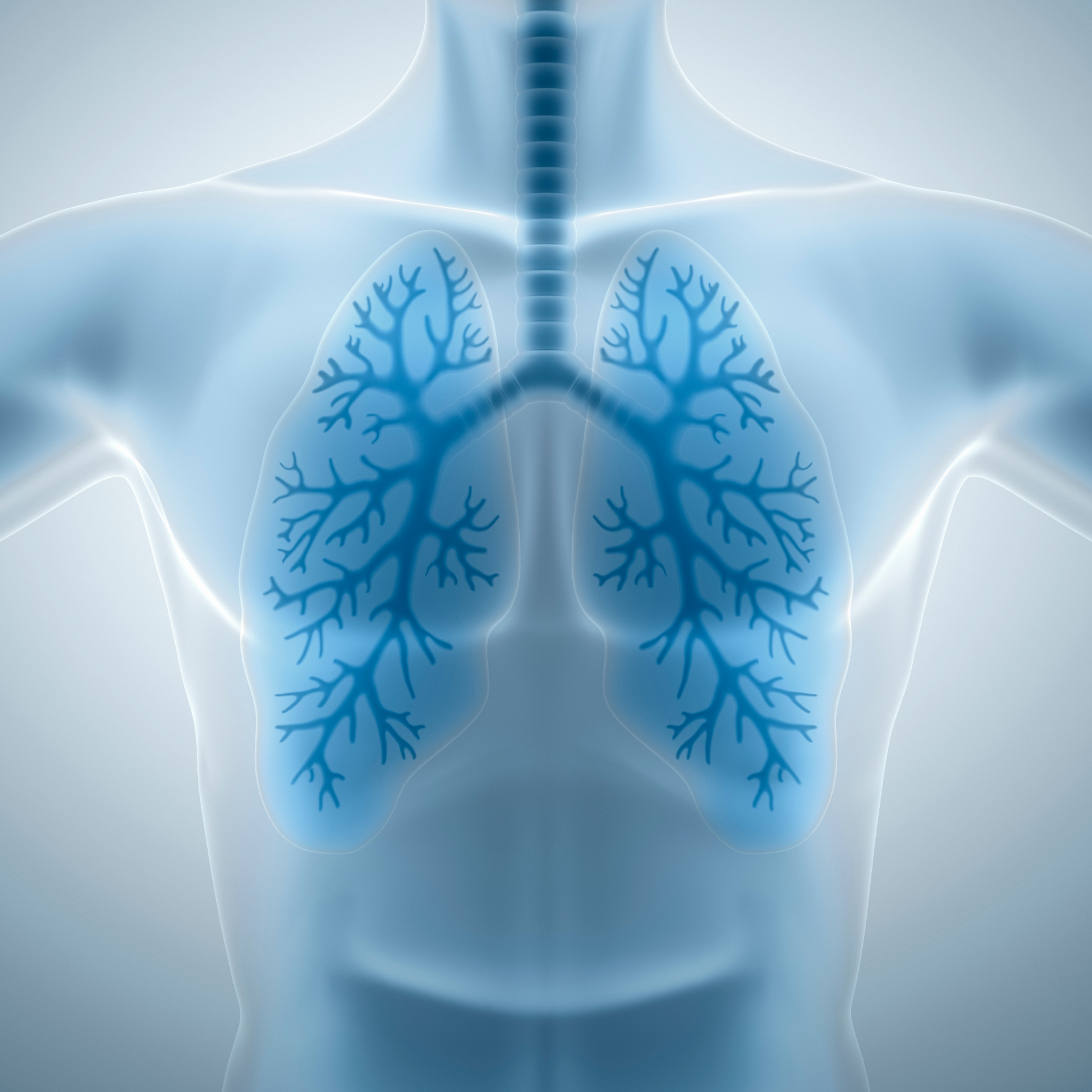
The American Health Foundation (AHF) has developed an independent educational program that addresses the complex challenges faced by people living with cystic fibrosis (CF), designed from a patient-centered perspective. This program provides a learning platform that bridges clinical care, psychological support, and real-life patient experiences.
The program integrates the voices of people with CF along with the perspectives of leaders in CF advocacy, psychology, and medicine specializing in this condition.
Its primary focus is an educational course that provides practical and applicable strategies for improving the quality of life of people with CF, with an emphasis on psychosocial support, family dynamics, and patient empowerment.
What is cystic fibrosis?
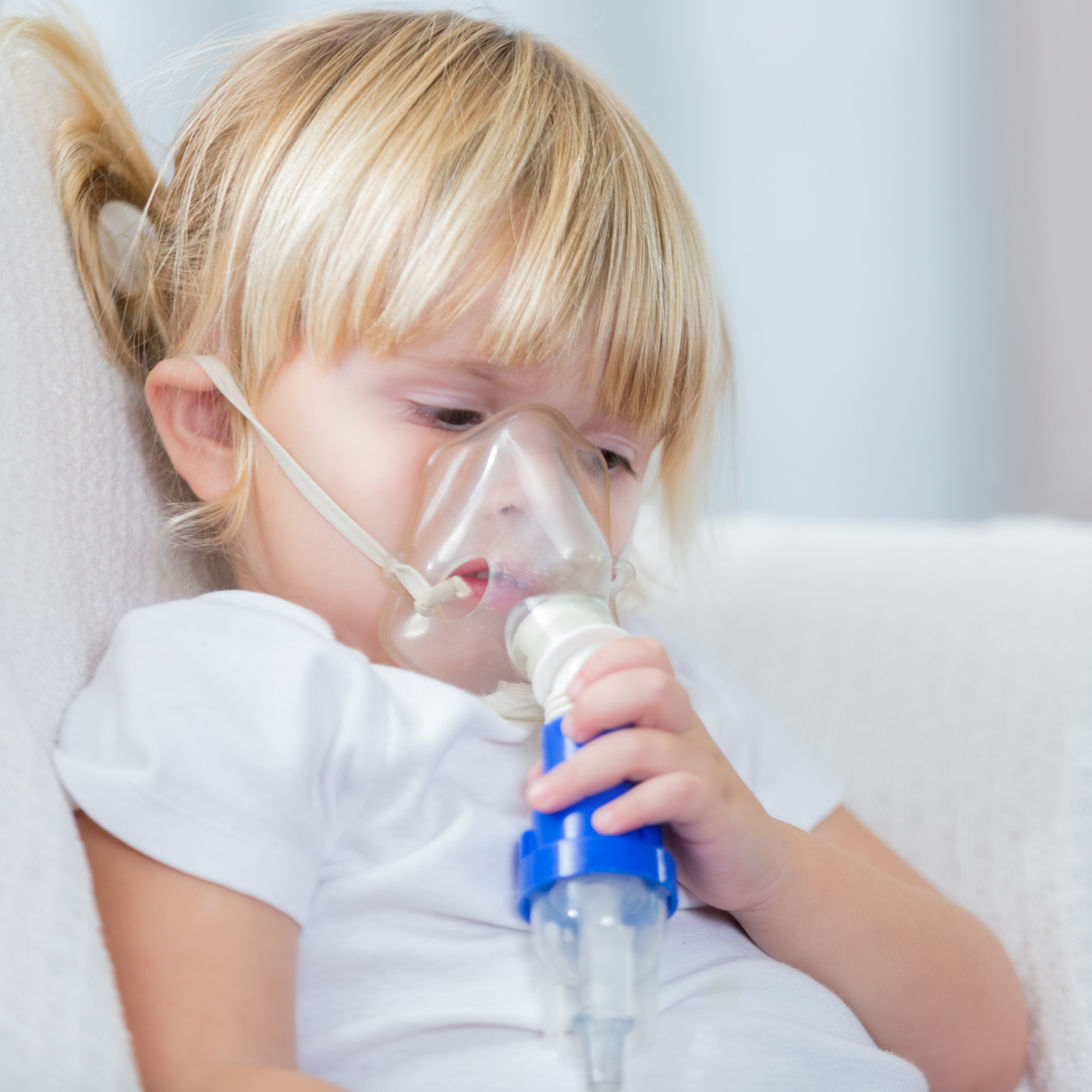
Cystic fibrosis is a chronic hereditary disease. It is characterized by the body producing thick, sticky mucus, which causes problems in different organs.
The most affected systems are the lungs and digestive system, which is why people with cystic fibrosis often have respiratory problems and difficulties with nutrition, digestion, and growth.
Research and development of different treatment options has improved both the life expectancy and quality of life of people with this disease.
According to the Latin American Federation for Cystic Fibrosis, it is estimated that CF affects approximately 1 in every 3,900 to 8,500 people in the region.
Reasons
Cystic fibrosis occurs when a person inherits two defective copies of a gene (mutation), which means that both parents are carriers of the mutated gene. Being a carrier means that you only have one copy of the gene; therefore, the disease does not manifest itself or produce symptoms.
The gene responsible for this condition is called the cystic fibrosis transmembrane conductance regulator (CFTR). More than a thousand mutations that can affect it have been identified, the most common being the F508 deletion (ΔF508).
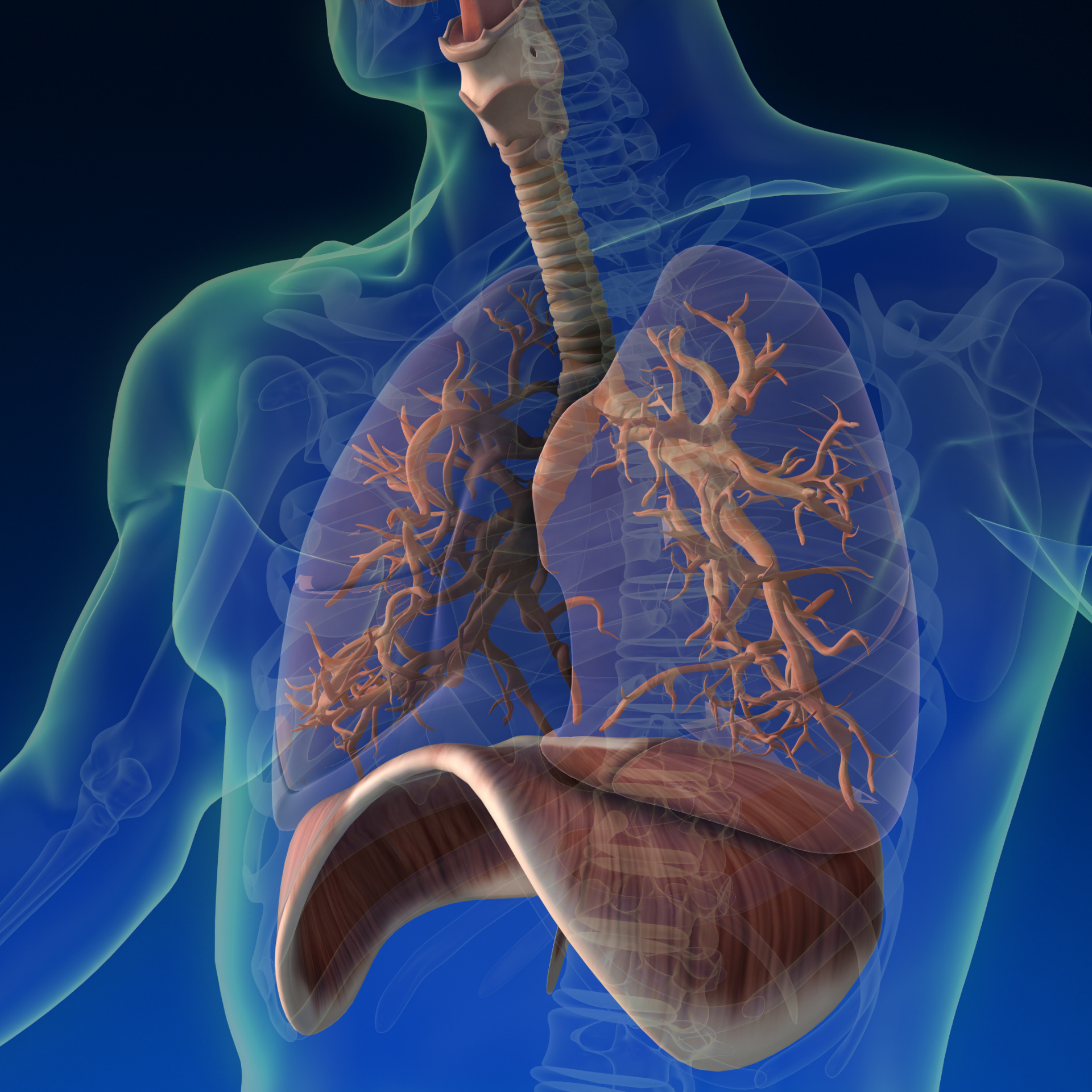
This gene controls the production of a protein that regulates the movement of chloride across cell membranes. When this protein does not function properly, the movement of chloride, bicarbonate, and sodium is disrupted, resulting in thicker and more viscous secretions throughout the body.
Well-being & Psychosocial Support
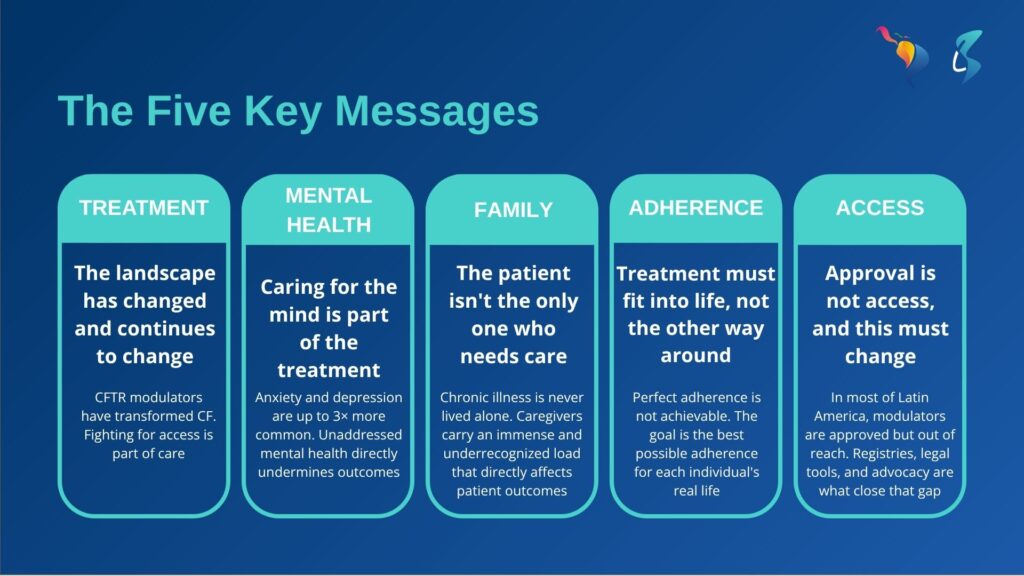
Addresses the emotional and social impact of CF, covering psychosocial challenges across life stages and evidence-based strategies for integrating mental health into routine care.
5 videos
~51 min
1.1
Modulators: Access & Impact on Quality of Life
How CFTR modulators are changing patient outcomes and the psychosocial implications of access disparities across Latin America.
1.2
Psychosocial Challenges
Exploring the psychological burden of a CF diagnosis and how patients internalize living with a lifelong condition.
1.3
Age-Specific Challenges
How psychosocial needs differ across childhood, adolescence, and adulthood — and what support looks like at each stage.
1.4
Strategies for managing anxiety, depression, and social isolation
Practical, evidence-based strategies to address the most common mental health challenges faced by CF patients.
1.5
Comprehensive treatment
How multidisciplinary teams can embed psychosocial screening and mental health support into standard clinical workflows.
Family Support & Dynamics
2 videos
~17 min
2.1
Best practices
An in-depth look at what families take on — practical, emotional, and logistical — and how care responsibilities shift over time.
2.2
Support networks
Strategies for discussing diagnosis, treatment decisions, and emotional needs across generations and family structures.
Patient Training
5 videos
~55 min
3.1
Equitable access
Practical frameworks for maintaining consistent treatment routines across different life contexts and schedules.
3.2
Treatment adherence
Managing CF when traveling, starting school or work, or relocating — building adaptive strategies for life transitions.
3.3
Coping strategies
How to manage cystic fibrosis when traveling, starting school or work, or moving to a new city: developing coping strategies for life transitions.
3.4
Nutrition and supplements
Nutritional guidelines specific to CF patients, including enzyme therapy, caloric needs, and managing dietary challenges.
3.5
Respiratory Therapy
Core airway clearance techniques and breathing exercises, with guidance on how to perform them correctly at home.
3.6
Patient registry
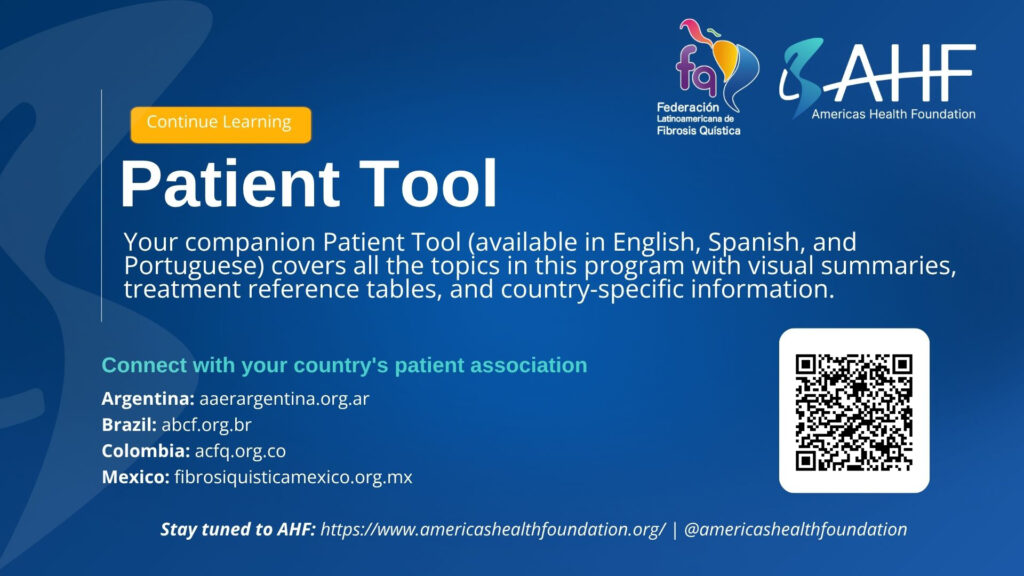
Why participating in CF registries matters — how patient data drives research, advocacy, and better care outcomes across Latin America.
Latin American Cystic Fibrosis Federation

In 2010, the Latin American Cystic Fibrosis Federation was created thanks to the efforts of a group of associations dedicated to supporting the cystic fibrosis community. In its early days, it was chaired by the Colombian Cystic Fibrosis Foundation. Subsequently, it was chaired by the Mexican Cystic Fibrosis Association, and it is currently chaired by the Argentine Cystic Fibrosis Association.
Latin American Associations


This platform was funded by Vertex’s Circle of Care Grant